ServicesSalt Delivery
Automated Salt Delivery in Glendale
A water softener only works while it has salt. We bring the bags on a schedule set to your home's use, carry them in, pour them into the brine tank and check that the salt is dissolving the way it should. You get the price and schedule in writing first.
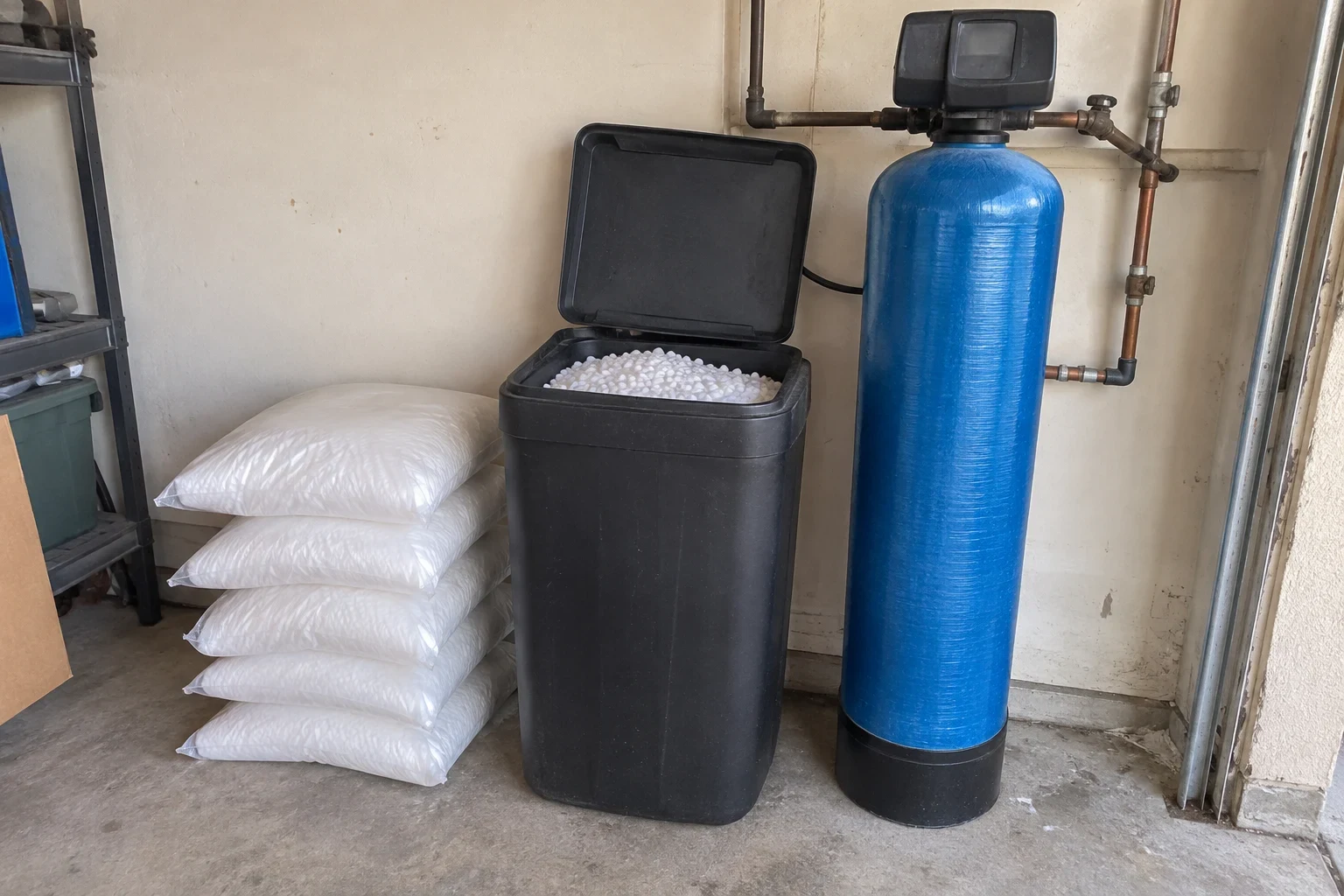
Salt in the tank, without the trips to the store
A softener pulls hardness out of your water by trading it for sodium or potassium from the brine tank. When the salt runs low, the softener keeps cycling but stops softening. Most people find out from spotty dishes or a crusty faucet, weeks after the tank went empty.
Our salt delivery takes that job off your list. We work out how fast your home goes through salt, set a delivery rhythm to match and show up with the right bags. Heavy lifting, pouring and a quick look inside the tank are part of every stop.
Before the first visit you get a written quote. It lists the salt type, bags per visit, how often we come and the cost per visit. If something changes, we tell you before we change the bill.
What every delivery covers
- Salt carried to the tank
- We bring the bags from the truck to your softener, whether it sits in the garage, a utility closet or along the side of the house. You don't lift anything.
- Filling the brine tank
- We pour the salt in to the right level. Overfilling can pack the salt and cause bridging, so we fill to what the tank and your schedule need.
- A look for bridges and mush
- We break up any hard crust that has formed over the water and check for salt mush at the bottom. Both stop brine from forming, and both are easy to miss from the top of the tank.
- A check on the settings
- We glance at the softener's control to see that the time and regeneration settings make sense for your home. If something looks off, we tell you what we saw.
- Warranty labor for subscribers
- Warranty labor is free for active salt delivery subscribers. If your softener needs warranty work while you're on a delivery plan, the labor costs you nothing.
Signs a delivery plan would help
The tank keeps running empty
You lift the lid and see water, no salt. That usually means the softener has been running without doing its job for a while.
Hard water spots are back
White film on glasses, shower doors and faucets shows up again. Low salt is the first thing to rule out.
The bags are too heavy
Softener salt usually comes in 40 or 50 pound bags. If hauling them from the car and lifting them over the tank edge is a strain, let us do it.
You never know which salt to buy
Pellets, crystals and potassium chloride all sit on the same shelf. We match the salt to your softener so you don't have to guess.
You're gone part of the year
Plenty of homes around the West Valley sit empty for weeks at a time. A set schedule keeps the softener ready when you get back.
How we set it up and how a visit runs
- 1
A phone call about your softener
Tell us the make of your water softener if you know it, how many people live in your home and how often you add salt now. That gives us a starting point.
- 2
Your written quote
We put the salt type, bags per visit, delivery frequency and per-visit cost in writing. Nothing gets added to that later without a conversation first.
- 3
Delivery day
We carry the salt in, open the brine tank, break up any bridging, fill it to the right level and close it up. Empty bags go with us.
- 4
Adjusting the schedule
After a few visits we can see how much salt is actually left each time. If you're using more or less than we planned, we change the schedule and tell you how that affects the cost.
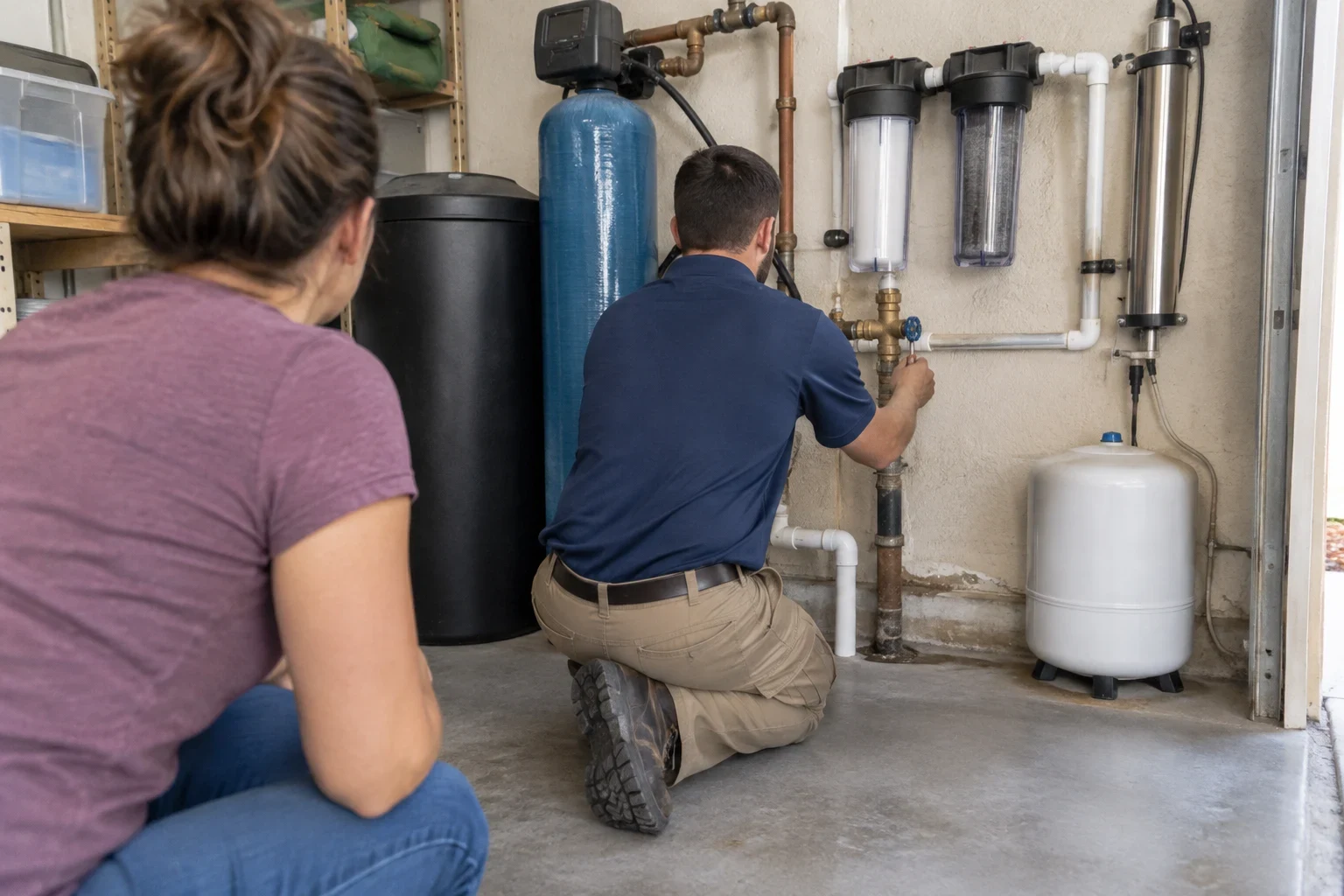
What sets the price of a salt plan
The cost per visit depends on how much salt your home uses and what kind. We go over each of these on the phone and put the numbers in your written quote. There are no fuel or carry-in charges added afterward.
- Type of salt
- Standard pellets cost less than potassium chloride, which some people choose to cut sodium in their water. Higher purity salt also leaves less residue in the tank.
- How much your home uses
- More people, more laundry and harder water all mean more regenerations. More regenerations mean more salt each visit.
- How often we come
- A tighter schedule means smaller loads more often. A longer gap means more bags at once. We pick what fits your tank size.
- Tank size and access
- A small brine tank holds fewer bags, so it needs visits more often. A softener that's hard to reach can add a little time to each stop.
Salt delivery questions
Something not covered here? (623) 920-0695
Do I need to be home for deliveries?
No, as long as we can reach the softener. Many softeners in the area sit in the garage or outside, and we can work out access on the phone. If it's inside your home, we'll set visits for when someone is there.
Will you deliver salt for a softener you didn't install?
Yes. Most softeners take the same kinds of salt. Tell us the brand when you call and we'll confirm which salt fits it.
How does the warranty labor work with a subscription?
Active salt delivery subscribers get free warranty labor. If your softener needs warranty work while your plan is active, you won't pay for the labor. We'll explain on the phone what that covers for your system.
Can I switch from sodium to potassium salt?
Yes. Your softener may need a setting change to work well with potassium chloride, since it takes more of it to do the same job. We'll walk you through the change in cost before we switch.
What if I need to pause or cancel?
Just let us know by phone. If you're traveling, we can skip a visit or two. If you want to stop the plan, we stop it.
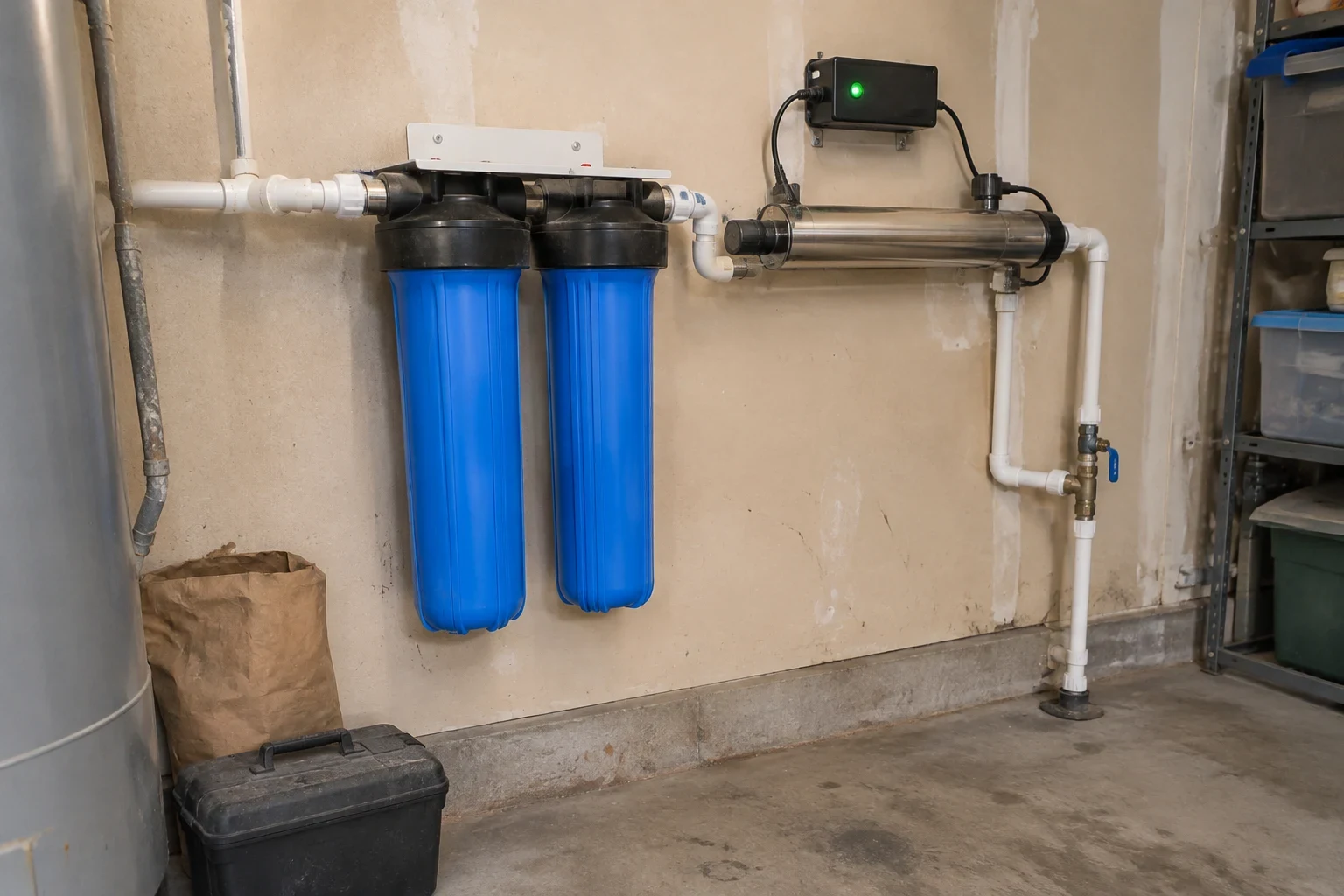
Stop hauling softener salt
Give us a call with your softener brand and a rough idea of your home's water use. We'll set a schedule and put the numbers in writing before the first bag comes off the truck.